Pet Stain Solutions for Pimlico Terraced Houses
Posted on 18/06/2026
![An exterior view of a row of three terraced houses featuring pastel-colored facades in pink, yellow, and blue. Each house has white-framed sash windows with decorative molding and shutters, and the buildings are illuminated by natural daylight against a partly cloudy sky. The image showcases the clean, well-maintained surfaces of the buildings, emphasizing the smooth painted exteriors and tidy window panes, with a vintage streetlamp visible on the left side. While the focus is on residential architecture, [COMPANY_NAME] specializes in surface cleaning and deep cleaning services, including sanitisation, for similar homes in Pimlico, ensuring their facades and interiors maintain their appearance and hygiene.](/pub/blogphoto/pet-stain-solutions-for-pimlico-terraced-houses1.jpg)
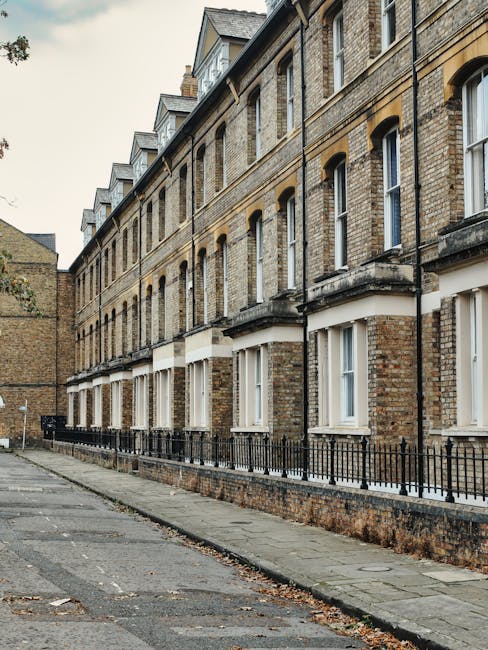
If you live in a Pimlico terraced house, you already know the charm: narrow hallways, original floorboards, fitted carpets on the stairs, and rooms that feel lived-in rather than staged. Lovely. Until the dog has an accident on the landing, or the cat chooses the corner of the front room rug as its own little mark of rebellion. Pet stain solutions for Pimlico terraced houses need to be practical, quick, and suited to older London homes that do not always forgive moisture, strong chemicals, or heavy-handed scrubbing.
In this guide, we will look at what works, what can go wrong, and how to protect carpet, upholstery, and subflooring in a terrace where space is tight and airflow can be a bit temperamental. You will also find a simple step-by-step method, a comparison of cleaning options, and a realistic checklist you can use the next time a pet-related mishap happens at 7:30 in the morning. Not ideal, obviously, but manageable.
Why Pet Stain Solutions for Pimlico Terraced Houses Matters
Pimlico terraced houses have a particular set of quirks. Many homes here have carpets fitted on stairs and landings, tucked edges along skirting boards, and rooms where furniture sits close together. That makes pet stain control more than a cosmetic issue. A small accident can spread sideways, sink through underlay, and leave a smell that lingers long after the visible mark has faded.
Pet stains also matter because they can change how a home feels. A house can smell clean, look tidy, and still have that faint wet-pet note in one room. Most people notice it the moment they walk in. Guests do too, though they are usually polite about it. If you are renting, preparing for an inspection, or simply trying to keep a busy family home pleasant, a proper stain strategy saves time and stress.
There is also the matter of damage. Urine is the one everyone worries about, and for good reason. It can affect carpet fibres, dyes, underlay, and even the floor beneath if left too long. Spills from pet food, muddy paws, vomit, or damp bedding can create their own mess, but urine is the one that tends to return as an odour on warm days. That is the awkward truth.
For Pimlico properties in particular, a good approach also helps preserve older finishes. Terraced homes often contain character carpets, stair runners, or upholstery that are not easily replaced. A rushed DIY job can push the stain deeper, bleach the fabric, or leave tide marks. Better to handle it carefully from the start.
If you are also thinking more broadly about keeping a home fresh, it can help to combine stain control with a wider routine. Our deep cleaning Pimlico service information is useful when pet mess is only one part of a bigger cleaning reset.
How Pet Stain Solutions for Pimlico Terraced Houses Works
Good pet stain removal works in layers. First you remove what is on the surface, then you treat the fibres, then you address the odour source, not just the smell in the air. That order matters. If you skip straight to perfume or fabric spray, the room may smell nicer for a few hours, but the stain can still be there underneath, quietly waiting.
The right method depends on three things: the type of stain, the surface involved, and how long it has been there. A fresh urine spot on a wool carpet is not the same as an old dried stain on a synthetic runner. Likewise, a stain on a hallway carpet behaves differently from one on a velvet chair in the front room. Terraced houses often combine both, which is why a one-size-fits-all approach tends to disappoint.
Professionally, pet stain treatment usually includes controlled moisture, a suitable cleaning solution, careful agitation, and extraction or blotting. Sometimes an enzymatic product is used, which means the cleaner is designed to break down organic residue rather than just lift visible dirt. In plain English: it helps neutralise the source of the smell. You still need to use it properly, though.
Airflow matters too. In a terrace, especially in cooler months, drying can take longer than expected. If the fabric stays damp, the stain can reappear at the edges, or an odour can develop in the underlay. That is why a quick response beats an aggressive one. Patience, oddly enough, is often the secret weapon here.
When stains reach carpets, stairs, or sofas, many households also consider a broader refresh. If that sounds familiar, the details on carpet cleaning in Pimlico and upholstery cleaning in Pimlico can help you think through the next sensible step.
Key Benefits and Practical Advantages
The biggest benefit of dealing with pet stains properly is that you stop the problem becoming a recurring one. A stain left half-treated can keep drawing attention every time the light shifts across the carpet. Worse, pets often return to the same spot if the scent remains. So yes, one thorough clean can prevent a string of repeat accidents. Annoying little cycle, that.
- Better smell control: removing the source rather than masking it keeps the room fresher for longer.
- Less fibre damage: careful treatment protects carpet pile, wool blends, and upholstery texture.
- Improved appearance: a properly treated patch blends into the rest of the floor instead of standing out under daylight.
- Lower risk of repeat marking: removing residue makes the area less attractive to pets.
- Longer material life: carpets, stair runners, and cushions usually last longer when stains are tackled early.
- More confidence before guests or inspections: you know the room feels clean, not just looks it.
There is a practical financial advantage too. Small issues handled early are usually cheaper than stains that require repeated visits, replacement underlay, or full carpet restoration. In a terraced house, a problem on one landing step can spread into nearby areas quickly because of traffic patterns. People and pets both tend to use the same routes, which is efficient for them and inconvenient for you.
Another quiet benefit is peace of mind. When you know how to deal with stains, every little accident feels less dramatic. You are not starting from panic mode. You have a plan.
Who This Is For and When It Makes Sense
This topic is for anyone in Pimlico who shares their home with a pet and has carpets, rugs, runners, or soft furnishings that need protecting. That includes owners of period terraces, tenants trying to keep a property in good shape, landlords managing occasional pet-friendly lets, and families whose pets are mostly perfect except for the odd moment of mischief.
It also makes sense if you have inherited a home with older carpets, or if you are preparing a house for sale or end of tenancy. A pet stain that seemed minor in winter can become very noticeable under spring sunlight. Funny how that works. The same patch that was easy to ignore at dusk becomes the first thing everyone notices at 10am.
You may need a stronger solution if:
- the stain has been there more than a day or two
- there is an ongoing odour after cleaning
- the stain has reached the underlay or padding
- the carpet is wool, loop pile, or a delicate natural fibre
- the stain is on a stair carpet or landing where drying is tricky
- there have been repeated accidents in the same area
For residents balancing pets, work, and the usual city pace, a one-off intervention can be enough. If you want something broader as part of seasonal reset, it may be worth looking at one-off cleaning in Pimlico or even spring cleaning Pimlico if the house needs a proper fresh start.
Step-by-Step Guidance
Here is a straightforward method that works for most fresh pet stains on carpets and many soft furnishings. If the item is delicate, antique, or heavily marked, go slower and test a hidden area first. Always. It saves regret.
- Act quickly, but don't panic. Blot the area with paper towels or a clean white cloth. Press gently. Do not rub hard.
- Remove loose residue. If it is a solid mess, lift it carefully first. The less you spread, the better.
- Dilute lightly if appropriate. For some stains, a small amount of cool water helps lift residue. Avoid flooding the spot, especially on stairs or near edges.
- Apply a suitable cleaner. Choose a product that is safe for the surface and, ideally, designed for organic stains. Do not use a random strong chemical just because it smells powerful.
- Let it dwell for the recommended time. The cleaner needs time to work. This part is boring, but important.
- Blot again or extract. Keep removing moisture until the fabric is only slightly damp.
- Repeat only if needed. Stubborn stains may need a second pass after partial drying.
- Dry the area thoroughly. Open windows where possible, use airflow, and keep pets off the spot until fully dry.
- Check for hidden odour. If the smell returns when the carpet warms up or dries, the stain may still be in the backing or underlay.
For upholstery, the principle is similar but the technique changes. You use less liquid and more control. If you're dealing with a sofa arm, a footstool, or a pet blanket, our house cleaning Pimlico and domestic cleaning Pimlico pages may be useful if you want a broader home-care approach alongside stain removal.
A tiny but important note: if the stain is on a stair carpet, work from the outer edge inward. It stops the mark spreading into a larger halo. That little halo is the part people forget, then wonder why the patch looks worse after cleaning. Been there, seen that.
Expert Tips for Better Results
First tip: always identify the fibre if you can. Wool, nylon, polypropylene, and blended carpets all behave differently. Wool can be especially sensitive to harsh alkaline products or over-wetting, while synthetic fibres may hold less colour risk but still dislike aggressive scrubbing. Knowing the surface saves mistakes.
Second tip: use white cloths rather than coloured ones. It sounds almost too simple, but coloured cloths can transfer dye if they are damp. White lets you see what you are lifting, which is useful. Very useful, actually.
Third tip: work with temperature, not against it. A room that is slightly warmer and well aired usually dries better than one left shut up overnight. In terraced houses, the airflow can be uneven, so a fan or open window in the right room can make a real difference.
Fourth tip: if the stain is old, do not assume the visible mark tells the whole story. Pet urine can spread beyond what you can see. If you only clean the top layer, the smell may come back on a damp day, or when the heating comes on. That is often the moment it reappears, inconveniently right before someone visits.
Fifth tip: protect the surrounding area. Place a clean towel or cloth under the fabric if moisture might soak through. On older terraced floors, this matters even more because subfloors and original boards can be sensitive to damp.
And one more, because it really helps: keep a small pet-cleaning kit ready. Not glamorous, but very practical. The kit can live in a utility cupboard or hallway drawer, which means you are not rummaging around for kitchen roll while the stain settles in.
Common Mistakes to Avoid
The most common mistake is rubbing the stain. It feels productive, but it usually pushes residue deeper into the fibres and spreads the mark. Blotting is slower, yes, but it works better.
Another big one is using too much liquid. Flooding a carpet might seem like a way to "really clean it", but in a terraced house that can create a much bigger problem below the surface. Moisture trapped in underlay or along a skirting edge can lead to odour, wicking, or discolouration.
Here are the ones we see most often:
- using bleach on coloured carpet or fabric
- mixing cleaning products together
- over-soaking stair runners
- ignoring the backing and underlay
- using scented spray to hide the smell rather than removing it
- scrubbing with a stiff brush on delicate fibres
- waiting too long because the stain "doesn't look too bad"
The last one is probably the most human mistake of all. Life gets busy. You think you will deal with it later. Then later becomes next week, and by then the stain has settled in properly. Not great.
Tools, Resources and Recommendations
You do not need a cupboard full of specialist gear to deal with a fresh pet stain, but a few well-chosen items make the job much easier. A basic home kit can handle many small accidents before they become a bigger story.
- white microfibre cloths or paper towels
- a small bowl for diluted solution
- a cleaning product suitable for pet stains and the surface type
- a soft brush or clean cloth for gentle agitation
- gloves, especially for urine or unknown residue
- a fan or good natural ventilation for drying
- an absorbent towel for the first response
If the stain is on carpet and keeps returning, professional cleaning is worth considering. A service that understands fibre types, drying times, and odour control is far more likely to prevent recurrence than a quick surface clean. The broader service pages on services overview and about us can help you judge the approach and expectations before booking.
If you want to compare cleaning needs after a pet accident, think in this order:
- spot treatment for a fresh mark
- room-level carpet refresh if there are multiple patches or lingering odour
- upholstery cleaning if the problem has spread to sofas or cushions
- deeper restoration if underlay, edges, or stairs are involved
For many households, that sequence is enough to decide whether they can handle the issue themselves or whether a professional visit will be the calmer route. Truth be told, calmer is often worth quite a lot.
Law, Compliance, Standards, or Best Practice
Pet stain cleaning is not usually a heavily regulated activity in itself, but it does sit within normal UK expectations around safe cleaning practices, product use, and responsible property care. In practical terms, that means choosing products carefully, following label instructions, and using sensible ventilation and protective measures.
If you are renting, it is also sensible to check your tenancy terms about pet damage and cleaning responsibilities. That is not legal advice, just a reminder that many disputes come down to evidence and condition, not emotion. Keep photos of the stain before and after treatment if you are dealing with a shared property or end-of-tenancy situation. It helps create a clear record.
From a best-practice standpoint, use cleaning products that are suitable for the surface and avoid mixing chemicals. In enclosed terrace spaces, airflow can be weaker than in larger open-plan homes, so drying and ventilation are part of the job, not an afterthought. The same applies to cleaning equipment. If a tool leaves the fabric wetter than necessary, it may be doing more harm than good.
If safety and trust matter to you, it is worth looking at a company's stated approach to insurance, complaints handling, and working practices before booking. Those details might seem dull on first glance, but they are exactly what matter when a stain is on a stair carpet you cannot easily replace.
For related service standards, you may also find these useful: insurance and safety and health and safety policy.
Options, Methods, or Comparison Table
Here is a simple comparison of common approaches. It is not about one being magically best in every case. It is about choosing the right tool for the right stain.
| Method | Best for | Pros | Limitations |
|---|---|---|---|
| Blotting and mild spot cleaning | Fresh, small accidents | Quick, cheap, low-risk | May not remove deep odour or old residue |
| Enzymatic cleaning | Urine, vomit, organic stains | Targets the source of smell, useful on repeat marks | Needs correct dwell time and careful use |
| Manual carpet shampooing | Surface stains on synthetic carpet | Can improve appearance across a larger patch | Risk of overwetting, especially on stairs |
| Professional hot water extraction or specialist cleaning | Older stains, multiple rooms, lingering odour | Deeper clean, better drying control, more even finish | Costs more than DIY and may need scheduling |
| Upholstery spot treatment | Sofas, chairs, pet bedding | Protects fabric and improves comfort | Delicate fabrics may need expert handling |
For terraced homes with both carpeted stairs and upholstered seating, a mixed approach often makes the most sense. Spot-treat the immediate mess, then assess whether the room needs a fuller clean. That middle step matters more than people think.
Case Study or Real-World Example
A typical Pimlico scenario goes like this. A family in a terraced house has a dog that normally behaves beautifully, except on damp evenings when it refuses to go outside. One accident happens on the bottom stair landing. The owner cleans it quickly with a towel and some spray from under the sink, then assumes that is that.
A few days later, the area smells a little odd when the heating is on. Not strong, just noticeable. By the following weekend, the smell is clearer, and the same spot has started to look slightly darker than the rest of the carpet. The problem was never fully removed, only hidden. Very common, honestly.
In a case like this, a more complete response would be:
- careful inspection of the carpet and underlay area
- targeted treatment to remove residue, not just the surface mark
- controlled drying to prevent the spot from reappearing
- if needed, treatment of nearby traffic areas on the stair runner
What changed the result was not a dramatic miracle product. It was patience, the right method, and proper drying. The family also started keeping a small kit near the back door, which sounds tiny, but it makes a real difference when life happens fast. And it always does.
For homeowners in the area who are thinking about how cleaning choices affect everyday living, the local perspective in a resident's review of living in Pimlico offers a useful sense of how people actually use and maintain these homes.
Practical Checklist
Use this checklist when a pet stain happens. Keep it simple.
- Act quickly and blot, do not rub
- Identify the surface: carpet, rug, sofa, stair runner, bedding
- Check whether the stain is fresh or already dry
- Use only a product suitable for the fabric or fibre
- Test a hidden area if the material is delicate
- Avoid flooding the area with water or cleaner
- Remove as much moisture as possible after treatment
- Ventilate the room well
- Monitor for odour after drying
- Escalate to professional cleaning if the smell or mark returns
Quick reminder: if the stain has reached underlay, settled into stairs, or left a smell that keeps returning, a surface fix is probably not enough.
Conclusion
Pet stain solutions for Pimlico terraced houses are all about speed, care, and choosing the right method for the surface in front of you. The homes here are full of character, but they do ask for a bit of respect when moisture, fibres, and older finishes are involved. A small stain can stay small if you deal with it properly. If you don't, it can travel, and that is where the real frustration starts.
The good news is that most pet stains are manageable with a calm first response, sensible products, and enough drying time. For deeper marks, recurring odours, or delicate carpets and upholstery, a professional clean can save the fabric and your patience. Which, let's be honest, is often worth more than the stain itself.
If you are comparing your options or want help deciding whether a deeper clean is the smarter move, you can also explore our pricing and service information before getting started.
Get a free quote today and see how much you can save.
A well-kept Pimlico home should feel welcoming the moment you walk in. And with the right approach, it can.
![An exterior view of a row of three terraced houses featuring pastel-colored facades in pink, yellow, and blue. Each house has white-framed sash windows with decorative molding and shutters, and the buildings are illuminated by natural daylight against a partly cloudy sky. The image showcases the clean, well-maintained surfaces of the buildings, emphasizing the smooth painted exteriors and tidy window panes, with a vintage streetlamp visible on the left side. While the focus is on residential architecture, [COMPANY_NAME] specializes in surface cleaning and deep cleaning services, including sanitisation, for similar homes in Pimlico, ensuring their facades and interiors maintain their appearance and hygiene.](/pub/blogphoto/pet-stain-solutions-for-pimlico-terraced-houses3.jpg)


