Westminster Council Permits for Pimlico Clearance Jobs
Posted on 26/06/2026
Westminster Council Permits for Pimlico Clearance Jobs: A Practical Guide for Smooth, Compliant Work
If you are arranging a clearance in Pimlico, the permit question can quickly become the part that slows everything down. Westminster Council Permits for Pimlico Clearance Jobs are not just admin for the sake of it; they can affect where a vehicle parks, how long a team can stay, and whether the job runs calmly or turns into a stressful scramble. Truth be told, a well-run clearance often depends on the boring bits being handled properly.
This guide explains what these permits are, why they matter, how the process usually works, and what to check before anyone turns up with a van full of boxes, sacks, or bulky waste. You will also find a practical checklist, common mistakes, and a realistic example of how a Pimlico clearance can go right the first time. For wider local context, some readers also like to browse our Pimlico blog archive or our notes on what makes Pimlico such a distinctive part of London.
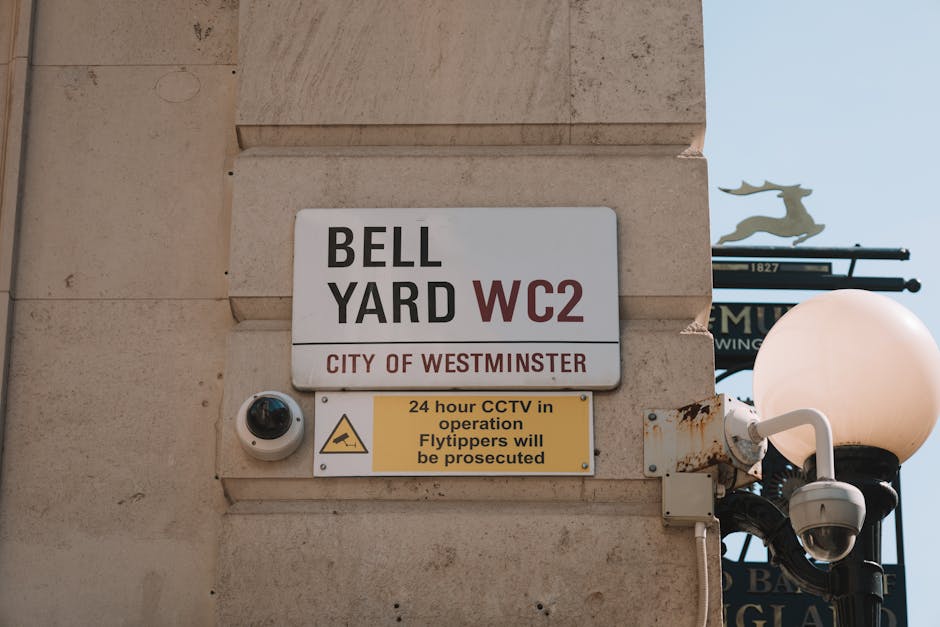
Why Westminster Council Permits for Pimlico Clearance Jobs Matters
Pimlico is compact, busy, and not especially forgiving when a job is poorly planned. Streets can be narrow, parking can be tight, and building access often involves shared entrances, timed loading windows, or awkward stairwells. That means a clearance job is not only about removing items; it is about removing them without causing disruption, congestion, or avoidable complaints.
That is where permits and related permissions come in. A clearance crew may need to think about parking bays, loading restrictions, skip placement, or temporary access arrangements. In some cases, the council is not the only issue. A building manager, freeholder, managing agent, or residents' association may also have rules that need to be respected. If you miss one of those layers, the job can stall even if the team is ready to work.
There is also a reputational side to it. In a place like Pimlico, one badly parked van can annoy neighbours in minutes. A clearance that is neat, timed well, and permitted properly is simply less likely to create tension. And let's face it, nobody wants a clearance day to become the story people talk about on the stair landing for a week.
How Westminster Council Permits for Pimlico Clearance Jobs Works
The practical shape of the process depends on the type of clearance. A small domestic clearance in a house may need nothing beyond sensible parking and access planning. A larger job, especially one involving commercial premises, bulky waste, or a vehicle that needs to wait outside for an extended period, may need more careful coordination.
In plain English, the process usually looks like this:
- Assess the job size and access needs.
- Check whether the team will need to stop, wait, or load in a restricted area.
- Work out whether parking permission, a skip permit, or another council-controlled arrangement is needed.
- Confirm any building-specific rules, such as lift booking, service entrance use, or noise windows.
- Book the permit or permission in advance, leaving enough time for approval.
- Carry out the clearance within the approved conditions and timeframes.
That may sound straightforward, but small details make a big difference. A clearance van that arrives at the wrong time can trigger a parking issue. A skip placed without approval can become an enforcement headache. Even the route from flat to vehicle matters when lifts are shared and hallways are busy.
If the job relates to a move-out, deep clean, or end-of-tenancy handover, it is worth aligning the clearance with the rest of the schedule. Many people pair this sort of work with end-of-tenancy cleaning in Pimlico or a broader house cleaning visit, because timing everything together reduces the number of visits and keeps the property ready for inspection.
Key Benefits and Practical Advantages
Permits can feel like admin, but they pay off quickly when the job is happening in real life. The benefits are not abstract.
- Fewer delays: the team knows where it can stop, unload, and work.
- Lower risk of fines or complaints: especially where roadside loading or waiting is involved.
- Better neighbour relations: a smoother clearance is much less disruptive.
- Cleaner project planning: everyone understands the time window and access rules.
- More predictable costs: avoiding last-minute fixes is almost always cheaper than scrambling later.
There is another, quieter benefit: confidence. When the paperwork is right, the job tends to feel calmer from the outset. The team turns up, the access plan makes sense, and you are not trying to improvise with a van idling in the wrong place while someone searches for a spare key. Been there, and it is never ideal.
Who This Is For and When It Makes Sense
Not every clearance in Pimlico needs formal council involvement. That is the first thing to understand. But there are several common situations where permit planning becomes sensible, or even essential.
You are more likely to need to think about Westminster Council permits if you are:
- clearing a flat, maisonette, or townhouse with difficult access;
- removing bulky household waste, furniture, or white goods;
- organising a large probate clearance or estate clearance;
- clearing a commercial unit, office, or shared workspace;
- booking a skip or a vehicle that must remain on the public highway;
- working near a busy road where loading restrictions apply;
- coordinating a same-day move, sale completion, or end-of-tenancy handover.
For example, a one-bedroom flat with a few bags and a small sofa is a very different proposition from a whole-property clearance after tenants have moved out. The first may be handled with a simple vehicle booking. The second may need a more formal approach, especially if waste will be staged outside or if the property management team has strict rules.
If you are new to the area, it also helps to understand the local setting. Pimlico has its own rhythm, which is part of its charm. Our pieces on living in Pimlico and real estate transactions in Pimlico give a useful sense of the building types and day-to-day pace that often shape clearance logistics.
Step-by-Step Guidance
If you want the process to feel manageable, work through it in order. Rushing at the end is where mistakes happen.
- Define the clearance scope. List what is being removed, roughly how much there is, and whether anything is especially bulky, fragile, or hazardous.
- Check access conditions. Measure doorways if needed, note stair counts, confirm lift use, and find out whether a loading bay is available.
- Identify the parking or permit issue. Ask whether the vehicle needs to wait on-street, whether a skip is involved, or whether the job can be done entirely from private access.
- Confirm building rules. Managing agents can be surprisingly strict, and quite rightly so. Lift bookings, quiet hours, service entrances, and corridor protection all matter.
- Book permits early. Leave enough time for approval, especially if the job date is fixed by a tenancy end, sale completion, or contractor schedule.
- Share the plan with everyone involved. The clearer the notes, the fewer misunderstandings on the day.
- Prepare the property. Move out personal items, secure valuables, and make sure the crew can get to everything that needs collecting.
- Keep an eye on the finish. Check that the area is left tidy and that any council or building conditions have been met.
A sensible habit is to do one final walk-through the day before. It sounds obvious, but people often discover a forgotten cabinet, a box in the loft, or a chair hidden behind a door at the last minute. Small surprises. They always show up at the worst moment.
Expert Tips for Better Results
Over time, the best clearance jobs tend to share a few traits. Nothing glamorous. Just disciplined planning.
- Build in a buffer. Do not schedule the clearance to the minute. Allow time for parking, lift delays, and awkward items.
- Separate items by priority. Keep the things that must go first, or must not go, clearly identified.
- Photograph anything disputed. If there is a landlord, agent, or contractor involved, a quick photo record can prevent later arguments.
- Use a single point of contact. One decision-maker avoids crossed wires.
- Think about the clean-up. A lot of clearance work finishes best when followed by a deep clean or sanitising pass.
For many Pimlico properties, especially flats and rented homes, a clearance is only half the job. Dust, marks, and traffic through the hallway can linger. That is why some clients combine the work with deep cleaning in Pimlico or spring cleaning support so the property feels properly finished rather than just emptied.
One more practical tip: ask in advance how heavy items will be carried. You do not want a crew arriving without the right protective gear, or without a plan for stairs and tight turns. It is one of those tiny details that tells you whether the job is experienced or merely optimistic.

Common Mistakes to Avoid
Most clearance problems are predictable. That is the annoying bit. The upside is that they are usually avoidable.
- Leaving permits until the last minute. If a permission is needed, late notice can force rescheduling.
- Assuming the council is the only authority. Private buildings often have their own rules.
- Underestimating volume. What looks like "a few items" can turn into a full van load once everything is gathered.
- Ignoring access constraints. A bulky sofa is not leaving through a narrow stairwell by magic.
- Failing to sort waste streams. Reusable, recyclable, and general waste should not all be treated the same way.
- Not confirming the parking setup. A van with nowhere lawful to stop can create immediate trouble.
- Forgetting the post-clearance finish. Empty does not always mean ready.
Another subtle mistake is assuming that all clearance jobs are identical. They really are not. A post-tenancy cupboard clear-out, a probate property, and an office clearance each bring their own timing, permission, and safety issues. Treating them as one generic task is how people end up paying more, waiting longer, or upsetting the building manager. Not fun.
Tools, Resources and Recommendations
You do not need a pile of fancy equipment to plan a clearance well, but a few practical tools help a lot.
- Measured inventory list: simple, but useful for estimating van space and labour.
- Camera phone: ideal for access photos, item condition notes, and before-and-after records.
- Calendar with reminders: useful for permit deadlines, lift bookings, and handover windows.
- Contact sheet: include the landlord, managing agent, waste team, and the person on site.
- Property plan or rough sketch: helpful for tricky buildings, basement storage, or rear access.
For related local information and practical context, readers often explore our pages on service options, insurance and safety, and our health and safety policy. Those pages are useful if you want to understand how a professional provider thinks about risk, access, and responsibility before any work begins.
If your clearance is tied to a bigger home reset, you might also find relevant advice in our notes on one-off cleaning in Pimlico or on specific room and fabric care, such as upholstery cleaning and carpet cleaning. Those links are less about permits directly and more about finishing the job properly, which matters more than people think.
Law, Compliance, Standards, or Best Practice
For clearance work, the safest approach is to treat compliance as a working habit rather than a last-minute box-tick. In the UK, clearance jobs can touch on parking, waste handling, public highway use, property access, and health and safety. The exact requirements depend on the job, the location, and the type of waste or equipment involved.
Best practice usually means:
- securing the correct permissions before occupying public space;
- keeping access routes safe and clear for residents and passers-by;
- using suitable lifting and carrying methods for heavy or awkward items;
- making sure waste is handled responsibly and in line with local rules;
- checking whether any items need special treatment because they are electrical, upholstered, or potentially contaminated;
- documenting decisions where a landlord, agent, or client may later want proof.
It is also wise to be clear about what you are not doing. If something looks like hazardous waste, or if an item may require specialist handling, do not guess. Separate it and seek proper guidance. That cautious approach is simply good practice. No drama, no heroics.
When working in shared buildings, respect for neighbours is part of compliance too, even if it is not written in bold letters on a permit. Quiet handling, controlled staging, and tidy removal reduce friction and keep everyone happier. Which is, honestly, a better outcome for everyone involved.
Options, Methods, or Comparison Table
Not every Pimlico clearance needs the same approach. Here is a straightforward comparison that helps set expectations.
| Approach | Best for | Typical advantages | Potential drawbacks |
|---|---|---|---|
| Direct van loading | Small to medium clearances with easy access | Fast, simple, often less disruptive | May still need parking or waiting permission |
| Skip-based clearance | Larger projects, refurb-related waste, ongoing works | Good for volume, flexible over time | Usually needs stronger permit planning and space |
| Managed clearance with building coordination | Flats, managed blocks, offices, shared premises | Best for controlled access and resident relations | More moving parts; bookings take longer |
| Combined clearance and cleaning | End-of-tenancy, probate, sale prep | Property feels finished and ready | Requires tighter scheduling |
The right method depends on the property, the time available, and how much space the team has to work with. If the building is awkward, a combined approach often saves time overall, even if it seems like more planning up front.
Case Study or Real-World Example
Here is a realistic example from the kind of work people often need in Pimlico.
A tenant is due to move out of a first-floor flat near a busy road. The property contains a bed frame, a sofa, several bags of mixed items, and a few pieces of broken furniture. The landlord wants the place handed back clean and clear by the following afternoon. There is no room to leave waste outside, and the building manager has a narrow window for service access.
In that situation, the team's first job is not lifting anything. It is mapping the access. They confirm the loading point, check whether the van can wait safely, and make sure the lift or staircase route is protected. They also separate what can go in one trip from what needs special disposal. Because the clearance is being done alongside a final clean, the team coordinates with a move-out cleaning service so the flat is ready in one sequence rather than two disconnected visits.
The benefit is obvious by the end. The van is loaded without rushing, the building stays calm, and the handover happens without a last-minute panic. A bit of paperwork, a bit of coordination, and suddenly the whole thing feels manageable. That is usually how good clearance work looks from the outside: deceptively ordinary.
Practical Checklist
Use this quick checklist before you book or begin a Pimlico clearance job.
- Have I identified every item that needs removing?
- Do I know whether any item is bulky, fragile, or specialist waste?
- Have I checked access, stairs, lifts, and loading space?
- Do I know if a council permit, parking permission, or skip arrangement is needed?
- Have I checked building rules with the landlord or managing agent?
- Have I booked enough time for the job, not just the ideal version of it?
- Are neighbours or occupants likely to be affected by noise or obstruction?
- Have I planned what happens after the clearance, such as cleaning or inspection?
- Do I have contact details for everyone involved?
- Have I left a buffer in case the job takes longer than expected?
If you can tick most of those off, you are already ahead of the game. Seriously, a little preparation goes a long way here.
Conclusion
Westminster Council Permits for Pimlico Clearance Jobs may not be the most exciting part of the process, but they are often the part that keeps everything else steady. In a dense, local area like Pimlico, the right permit or permission can save time, reduce stress, and keep relationships with neighbours and building managers intact.
The best approach is simple: plan early, confirm access, check building rules, and make sure the clearance team knows exactly what is expected. If you combine that with sensible timing and a tidy finish, the job becomes much easier than people fear. And that is usually the point, isn't it? Less noise, less mess, fewer surprises.
If you are planning a clearance and want it handled with proper attention to access, timing, and post-job cleanliness, you can explore our related service pages, browse the blog for local guidance, or contact us to talk through the details. If you are already comparing options, it may also help to review pricing and quote guidance before you make a decision.
Get a free quote today and see how much you can save.